
Singapore isn’t just a stopover—it’s a destination where professionals, remote workers, students, and families often need a place to stay for more than just a few nights. Whether you’re here for a short-term project, business training, medical treatment, or just transitioning into the city, where you stay can shape your entire experience. That’s why the choice between a hotel and short term accommodation in Singapore deserves more than a quick Google search.
Hotels may be the default choice for many. They’re easy to book, they look nice online, and they usually come with breakfast. But when your stay stretches beyond a few days, convenience becomes a trade-off. That’s where short term apartments in Singapore shine. They offer more space, flexibility, and value. Let’s break down the differences—and help you make the right decision.
Understanding Short Term Accommodation in Singapore
Short term accommodation in Singapore refers to legally permitted , fully furnished living spaces that are designed for stays typically ranging from one week to several months. These aren’t casual sublets or unregulated listings—they are professionally managed units that comply with the Urban Redevelopment Authority’s (URA) guidelines, ensuring guests are staying in safe, secure, and legitimate properties. In a city that values structure and efficiency, choosing a licensed provider is essential for avoiding legal pitfalls and ensuring a smooth stay.
There are several main types of such accommodation in Singapore, each designed to meet the needs of different types of travellers and working professionals.
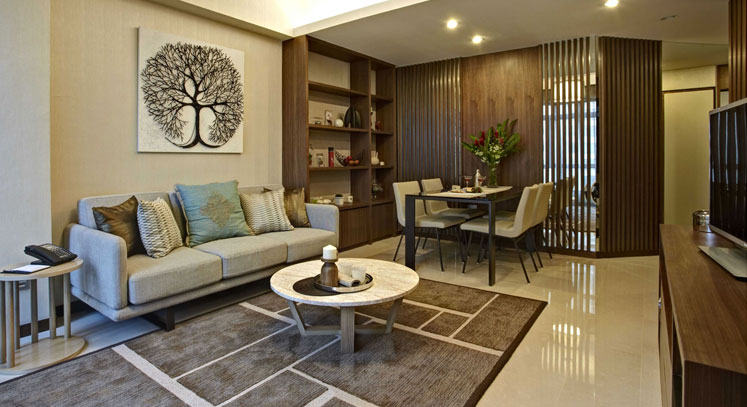
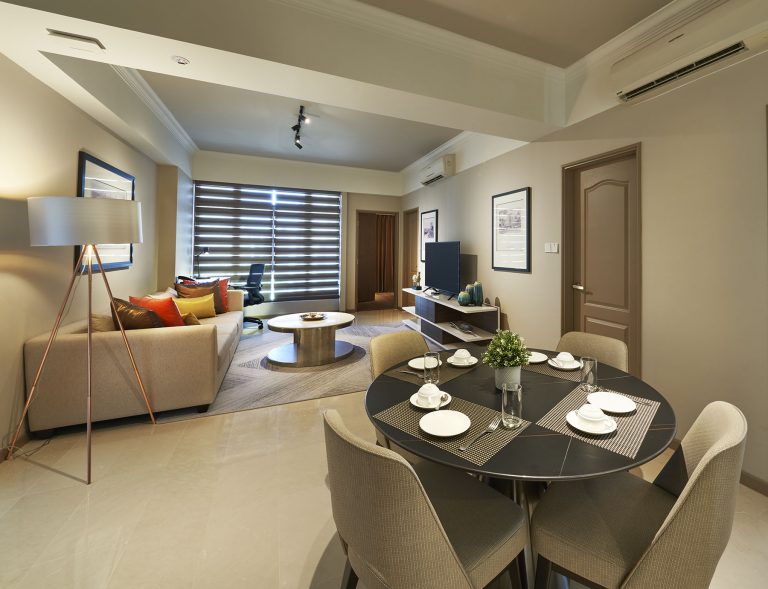
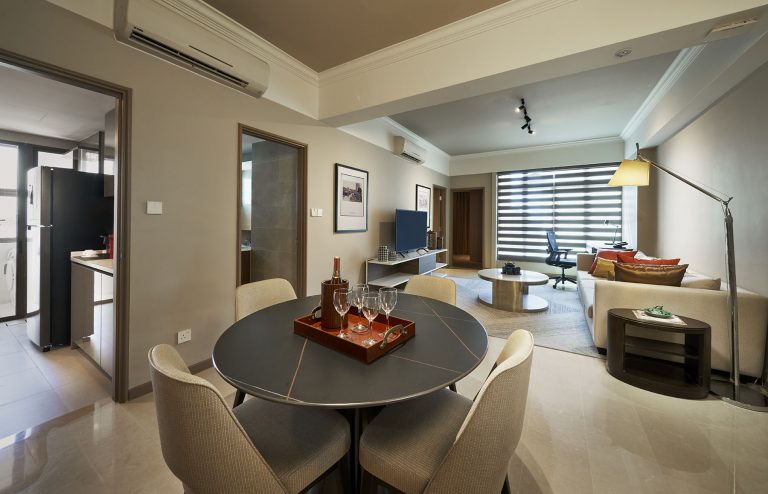
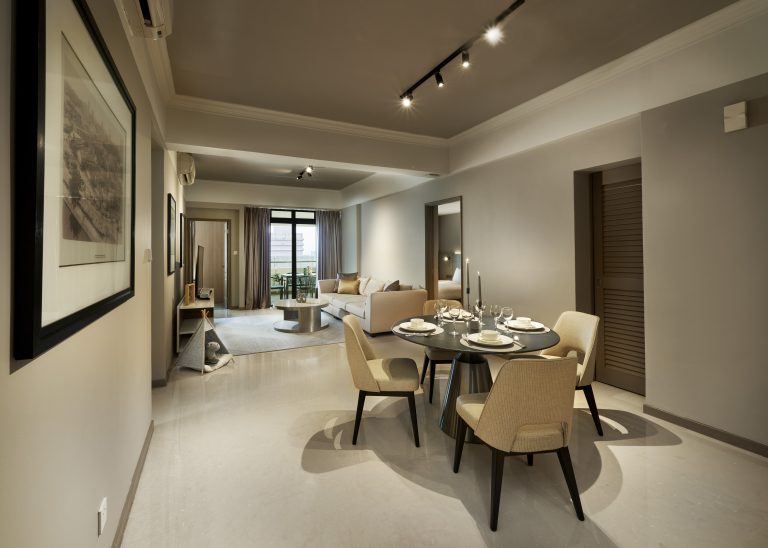
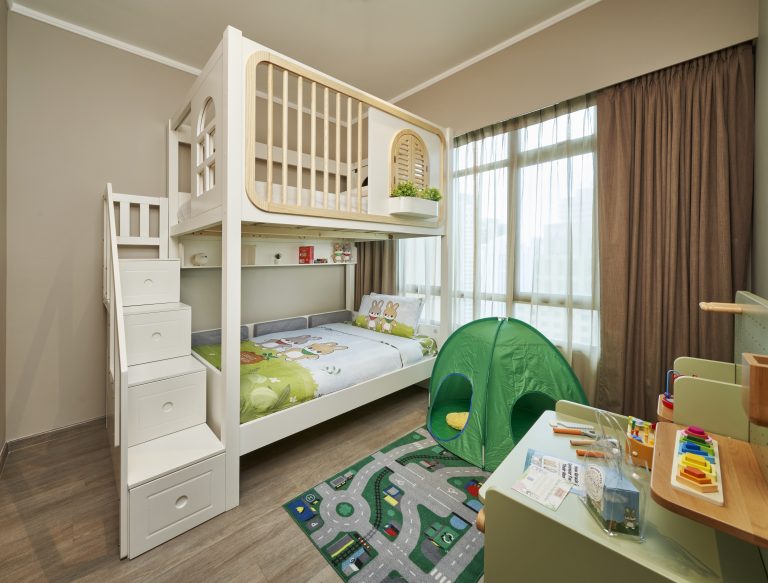
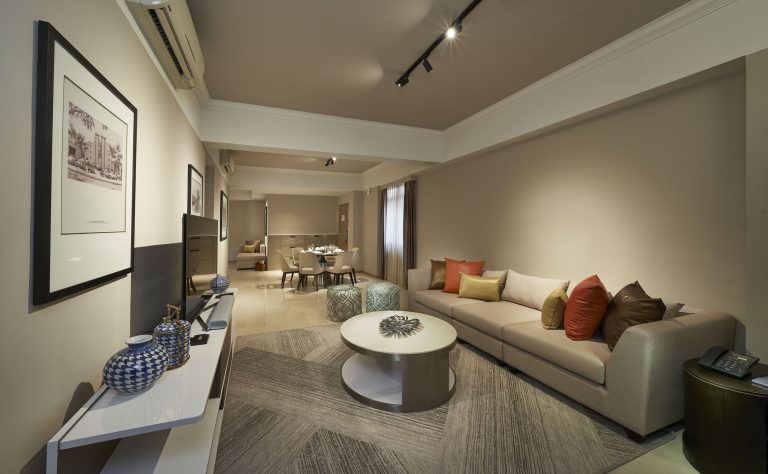
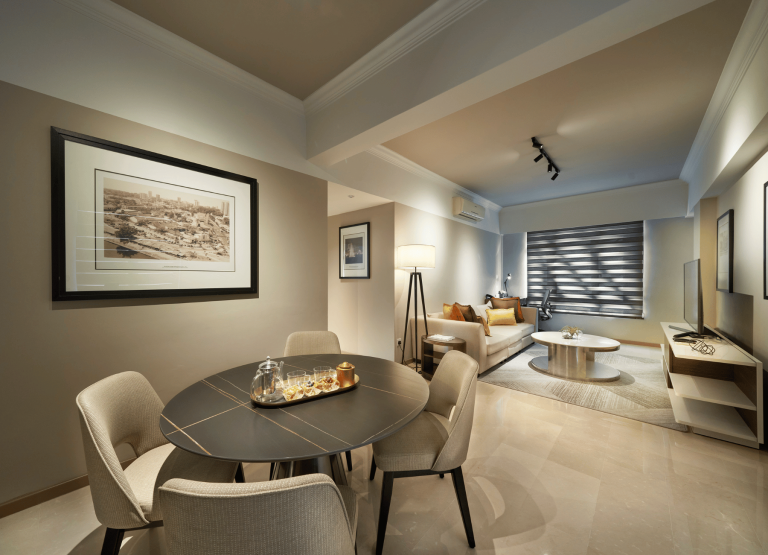
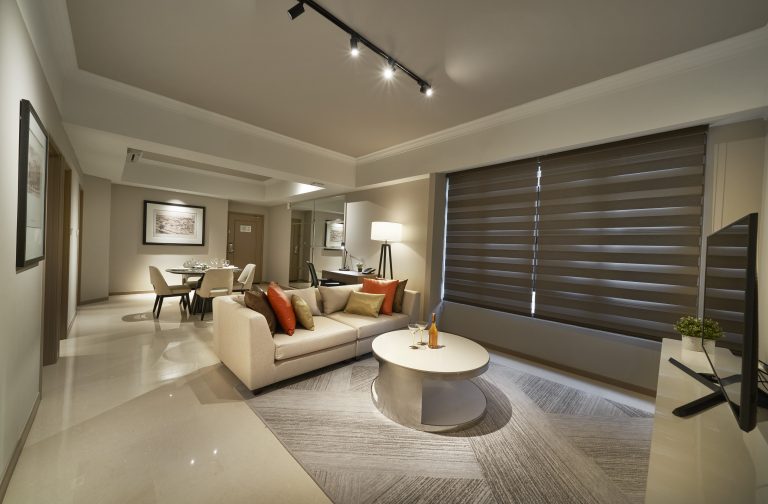
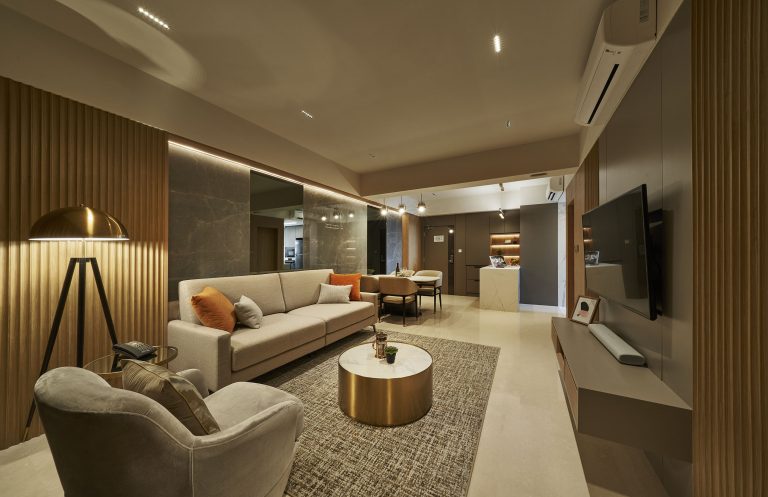
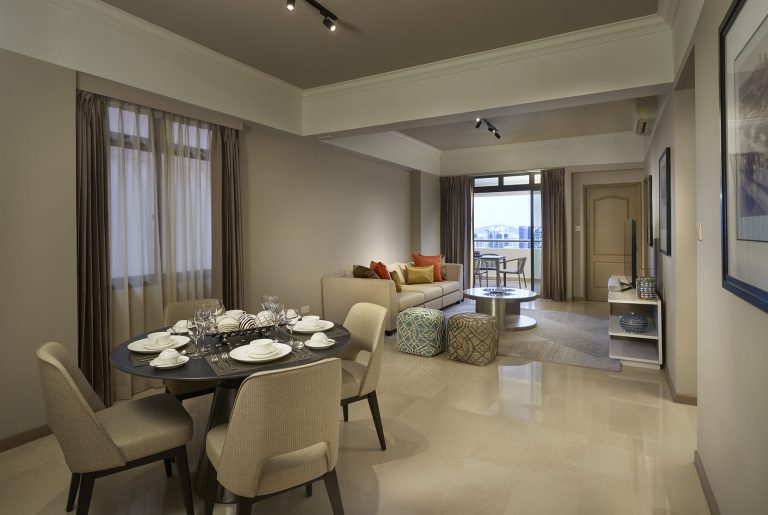
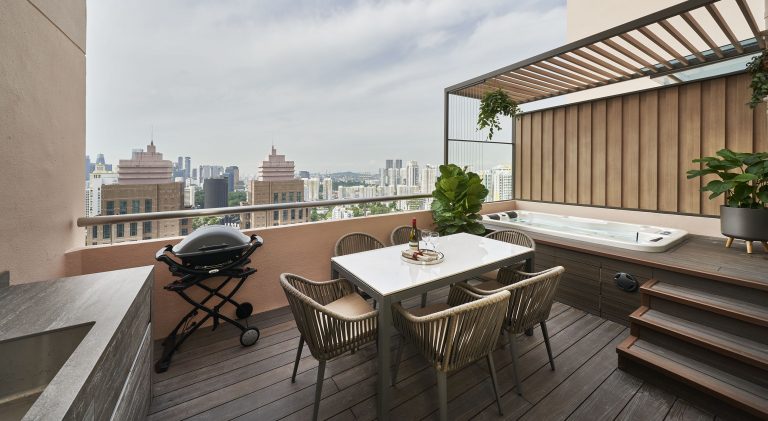
Serviced apartments are the most well-known and popular option, especially among expatriates, business travellers, and relocating families. These residences offer a hybrid experience—blending the comfort and spaciousness of a private home with the convenience of hotel-like services. You’ll typically find a fully equipped kitchen, separate living and sleeping areas, laundry facilities, and access to shared amenities such as swimming pools, gyms, BBQ pits, and Pickleball court.. Weekly housekeeping is usually included, striking a balance between independence and assistance. They’re ideal for people who want to settle in quickly without compromising on comfort.
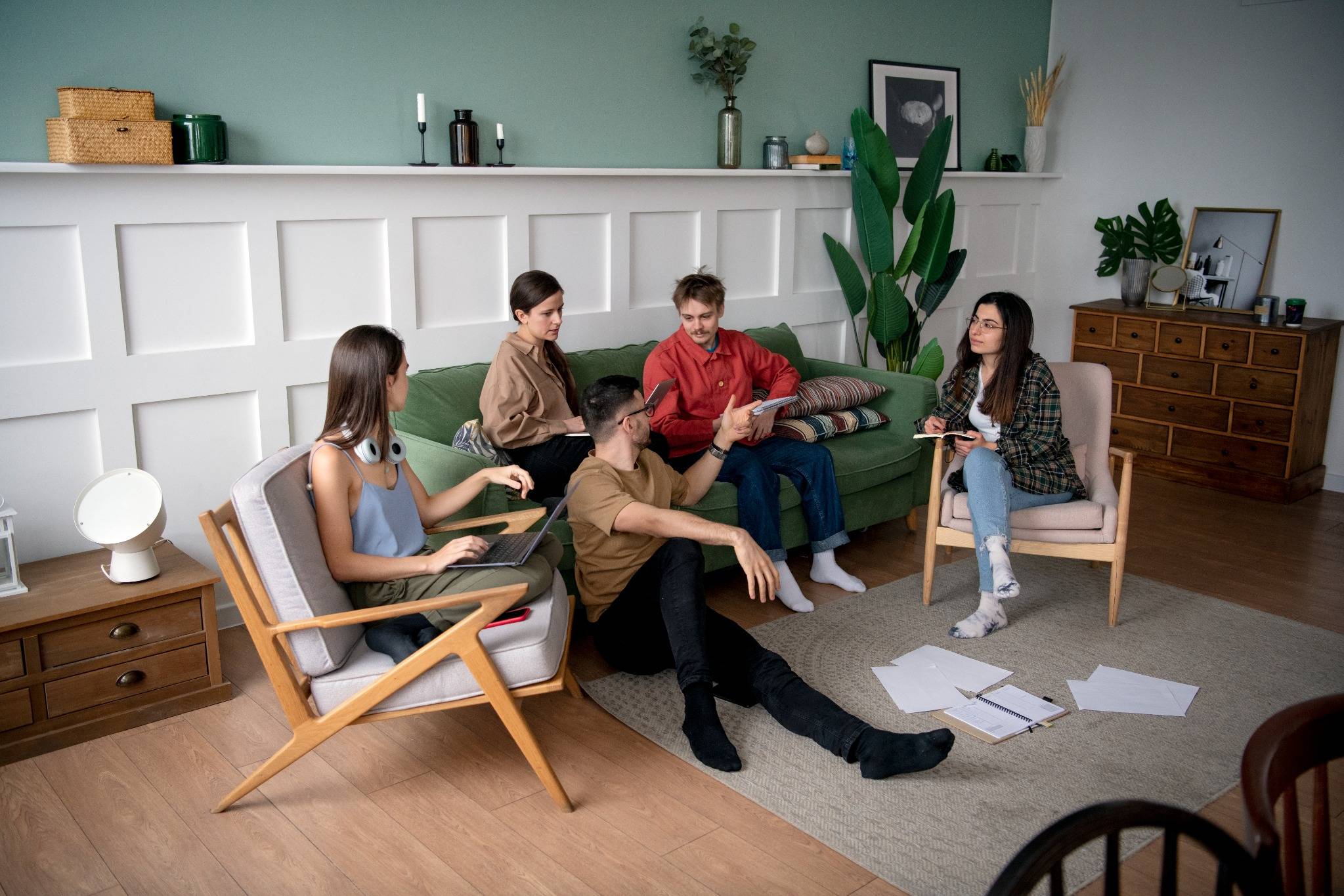
Co-living residences, on the other hand, are more community-driven. These spaces are particularly popular among younger professionals, freelancers, students, and digital nomads. The concept is simple: tenants rent private bedrooms within larger, shared flats that include communal kitchens, living rooms, and sometimes co-working spaces. Co-living appeals to those who value social interaction and affordability. These living spaces often host regular events, networking nights, or casual dinners—helping residents form friendships in what might otherwise be a lonely city. Despite the shared nature of the space, most units still offer plenty of privacy, with lockable rooms, en-suite bathrooms, and flexible lease options.
Corporate apartments offer a different approach, typically involving a standard condominium leased from an individual landlord or developer under a corporate agreement. This option is strictly for longer-term needs, as it is subject to the Urban Redevelopment Authority’s (URA) three-month minimum stay regulation. While these units are often spacious and located in prime business districts like Raffles Place or Marina Bay, the style and quality of furnishings can vary significantly as each property is individually owned. Companies often prefer this arrangement for extended assignments, as it allows staff to settle into a more independent, residential environment without the repetitive nature of a hotel.
 What unites all three of these accommodation types—serviced apartments, co-living spaces, and corporate housing—is that they are fully furnished, thoughtfully maintained, and compliant with Singapore’s strict housing regulations. This is crucial because illegal short-term rentals, such as those found on unverified Airbnb listings, continue to pose risks. Guests who unknowingly book these unlicensed properties may face sudden cancellations, insurance complications, or even legal trouble. The URA clearly states that private residential properties cannot be rented out for periods shorter than three months—unless they are specifically approved for short term accommodation use.
Choosing licensed short term accommodation in Singapore doesn’t just provide peace of mind—it also ensures quality. You’re working with providers who are accountable, professionally managed, and focused on guest satisfaction. Whether you’re a solo traveler staying a few weeks or a relocating family settling in for several months, these accommodations are built to support your daily life—not just your sleep.
Ultimately, what sets short term accommodation apart is that it’s designed for living, not just staying. You’re getting more than a place to sleep. You’re gaining a functional, legal, and comfortable environment where you can cook, work, rest, and connect—all without sacrificing location or convenience.
Why Hotels May Seem Like the Safer Option—At First
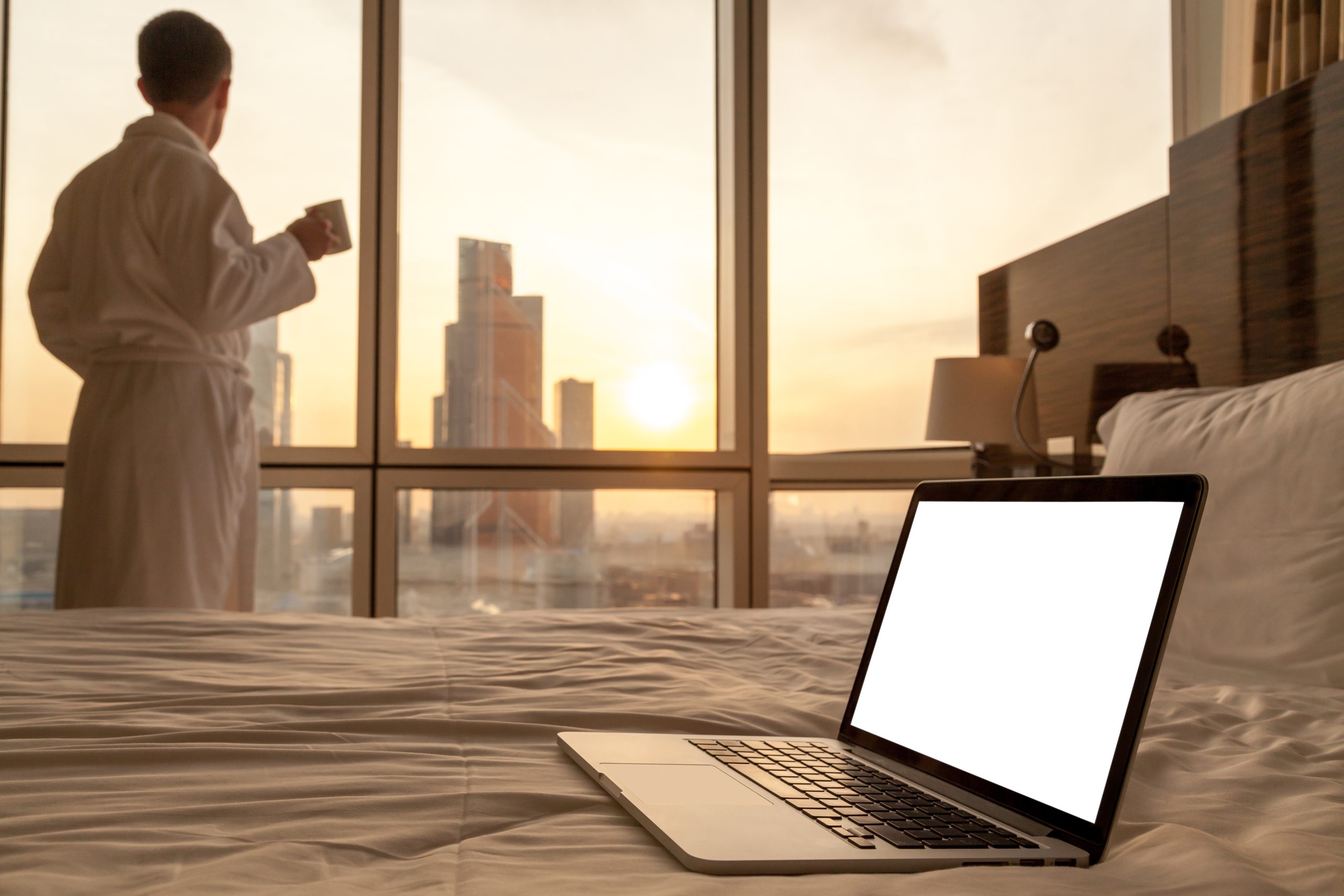
Hotels offer simplicity. You can book a room in minutes, check-in immediately, and rely on 24/7 staff to take care of your needs. Services such as room cleaning, room service meals, and concierge support are certainly convenient. However, after a few days, the novelty wears thin.
When you’re confined to a single room with limited space, it gets harder to separate work from rest or to manage everyday tasks. Laundry can be expensive, you’re eating out every day, and there’s little room to feel settled. For those staying longer than a week, this convenience often becomes a source of discomfort. Over time, the predictability of hotel life becomes monotonous and impersonal.
How Short Term Apartments in Singapore Offer Better Value
Hotels can seem like a convenient choice, but that convenience often comes with trade-offs, especially for longer stays. When you factor in the smaller living space, the lack of a kitchen, and extra charges for essentials like laundry or WiFi, the total cost—both financial and lifestyle—can add up quickly.
Short term accommodation in Singapore typically includes utilities, high-speed internet, and housekeeping as part of the rental package, along with the added benefit of a full kitchen and in-unit or shared laundry facilities. This means you can cook your own meals, do laundry on your own schedule, and enjoy a space that’s significantly larger than the average hotel room.
Here’s a detailed breakdown to compare:
| Category | Short Term Accommodation Singapore | Hotel |
| Size of Unit | 45–70 sqm on average | 18–35 sqm on average |
| Kitchen Availability | Full kitchen | Often none |
| Laundry Facilities | In-unit or shared | Paid hotel service or off-site |
| Internet & Utilities | Included in rent | May require add-ons |
| Cleaning Frequency | Weekly or biweekly | Daily (may be disruptive) |
| Guest Policy | Flexible | Restrictive |
| Pet Friendliness | Some units allow pets | Rarely allowed |
| Community/Local Living | In key business or residential areas | Tourist zones |
Over a longer stay, these differences create not just better overall value, but also a more livable, comfortable experience that supports both work and leisure. You’re not just booking a place to sleep but choosing a home base that gives you space, privacy, and autonomy.
Short term apartments also allow tenants to manage their own time and household tasks, such as cooking, laundry, or grocery shopping—activities that are nearly impossible in a hotel setting. These small conveniences accumulate over time and significantly improve quality of life.
Designed for Real Life, Not Just Rest
Hotels are built for tourists or short-term business travelers, not for day-to-day life. There’s no kitchen to cook, no space to separate work from sleep, and no real chance to feel like you belong in the neighborhood.
Short term apartments in Singapore, on the other hand, are thoughtfully designed for actual living. You can cook your own meals using full-sized kitchen appliances, wash your clothes at your own convenience, and even host a friend for dinner at your dining table. The bedroom, living area, and workspace are all separate, making it easier to stay organized and rested.
This type of home-like functionality is what makes short term apartments stand out. They’re not just places to stay; they’re places to live. Many even come with balconies, larger refrigerators, proper wardrobes, and washing machine that may seem minor but are deeply appreciated when staying longer than a week.
Supporting Work and Routine with Comfort
When you’re in Singapore for work, whether it’s remote, freelance, an internship, or a corporate contract—your environment plays a direct role in how productive you can be. Cramped hotel rooms with limited surfaces and constant distractions make it tough to get into a focused rhythm. In contrast, this type of accommodation is typically designed with functional spaces that support daily work routines.
Most serviced apartments or co-living units come with fast, stable WiFi, ample lighting, and proper desks or spacious dining tables that easily double as workstations. You’re in control of your schedule, with no unexpected knock from housekeeping or noisy hallways outside your door. It’s a quieter, more professional setup—allowing you to take meetings, meet deadlines, and stay productive without disruption.
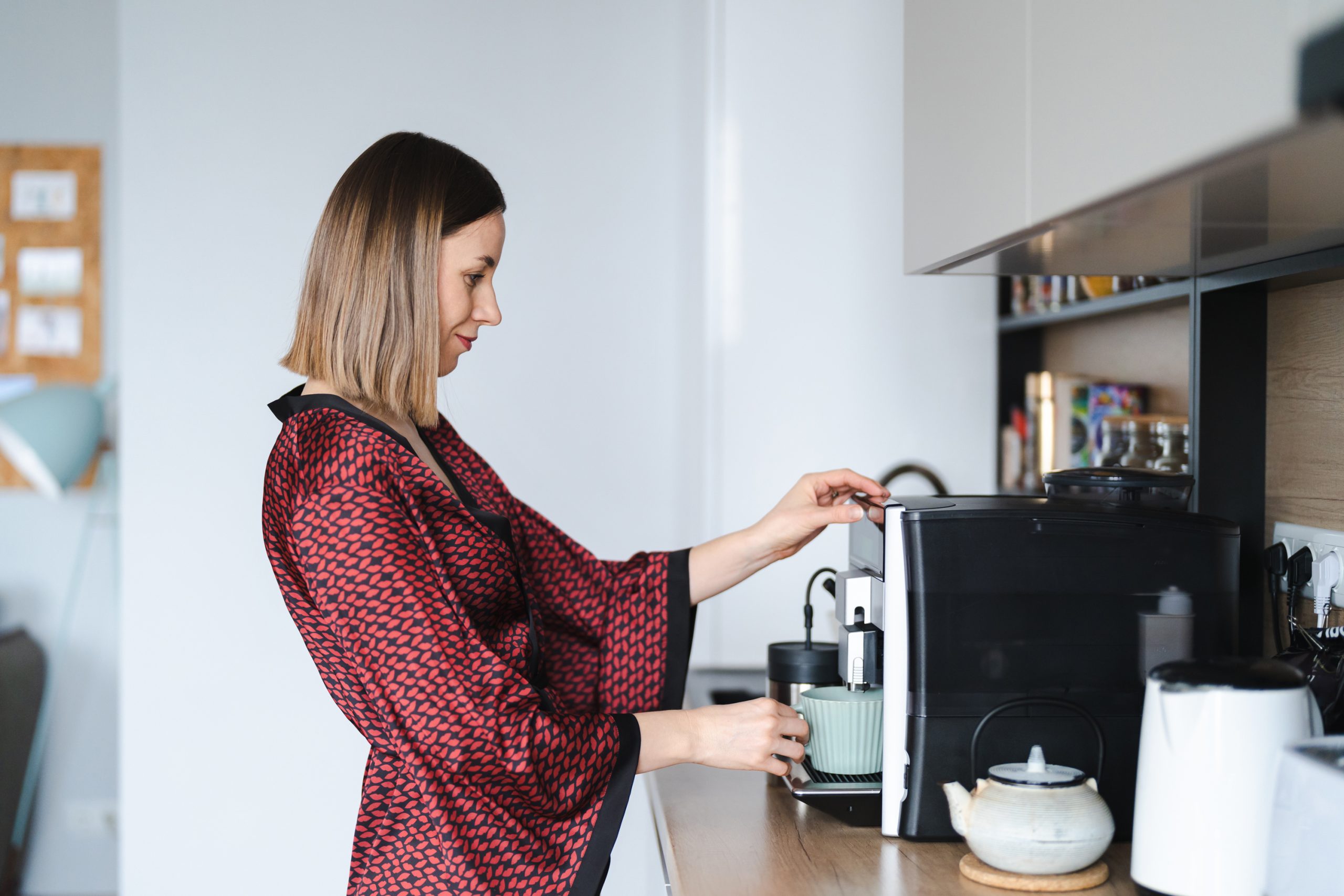
Many digital nomads, remote employees, and consultants say what sets short term apartments apart is the ability to create a personalized workspace. Whether it’s having your favourite coffee brewing in the background or arranging your desk by the window, that familiarity and control make a huge difference. It’s not just about having a table and a chair but it’s about building a space where work fits into your life, not the other way around.
Feeling Like a Local, Not a Tourist
Hotels in Singapore are mostly found in busy, tourist-centric areas like Orchard Road, Marina Bay, or Clarke Quay. While these spots are lively and well-connected, they’re also crowded and expensive, offering a polished but surface-level experience of the city. You’re surrounded by visitors, shopping malls, and attractions but not daily life.
Short-term apartments, on the other hand, are often located in well-established residential areas or vibrant mixed-use neighbourhoods such as Tanjong Pagar, Novena, Newton, and East Coast. Staying in these areas means easy access to local markets, coffee shops, MRT stations, and even parks or community centers. You can settle into routines like grocery shopping, morning walks, grabbing kopi at the corner stall—and start living like a local, not just visiting like one.
This kind of setting is especially valuable for families and professionals. Parents benefit from nearby schools and childcare, while working tenants enjoy a quieter environment and shorter commutes. The ability to blend into the neighbourhood and participate in everyday life gives short term residents a deeper, more personal experience of Singapore.
Built-in Flexibility for Real-Life Changes
Plans change, especially if you’re on assignment or transitioning into a longer-term lease. Many short-term housing providers in Singapore understand this and offer flexible lease extensions, discounted rates for longer stays, and even the option to switch units within their network if your needs change.
This is far more accommodating than hotels, where last-minute extensions are often expensive and limited by availability. Short term apartments give you peace of mind that your home base can adjust as your schedule evolves.
Some providers even allow for mid-stay transfers. For example, if you begin your stay in the CBD but later prefer a more residential neighbourhood, you can switch units within the same provider’s network. While the new unit’s rent will reflect its specific location and size, this option allows you to move with minimal administrative hassle, avoiding the need to start a new lease or change platforms.

Staying Legal and Protected
While platforms like Airbnb may appear convenient, many short-term listings in Singapore are not legally permitted. According to URA regulations, private residential properties cannot be rented out for less than three months unless officially approved. Booking one of these unlicensed units may lead to sudden cancellations or even being asked to vacate mid-stay—something no traveller wants to deal with.
Licensed short term accommodation eliminates this risk. These properties are URA-compliant, meet strict fire safety, hygiene, and security standards, and are professionally managed. Guests receive formal agreements, receipts, and support services—important for business travelers or anyone needing documentation.
In addition to legal assurance, licensed providers often offer better security, on-call maintenance, and clearer communication. For foreign visitors, that layer of protection makes a big difference. It’s not just about following rules—it’s about ensuring your stay is safe, smooth, and fully supported.
Real Reviews Say It All
Online reviews paint a clear picture. Travellers staying in serviced apartments or corporate housing consistently rate their stays higher than traditional hotels once the stay exceeds 10–14 days.
Online reviews paint a clear picture. Travellers staying in serviced apartments or corporate housing consistently rate their stays higher than traditional hotels once the stay exceeds 10–14 days. Industry research consistently shows that for stays of two weeks or more, long-term guests give markedly higher satisfaction scores to serviced apartments than they do to traditional hotel rooms.
One guest remarked that their move from a hotel in the CBD to a short term apartment in Novena made them feel “like a resident, not a tourist.” They could sleep better, eat healthier, and manage their time more effectively. For business travellers, the ability to recharge and maintain wellness was cited as a key difference.
A Greener Way to Travel
Environmental impact matters more than ever. Short term accommodation in Singapore often uses less water and electricity than hotels. With fewer linen changes, less reliance on single-use amenities, energy-efficient appliances, and sustainable building design, many of these residences support eco-friendly living.
Newer developments also integrate green certifications, solar panels, and rainwater harvesting systems. Hotels, though improving, typically have higher utility usage due to centralized air conditioning, daily cleanings, and disposable items. If sustainability is on your checklist, short term apartments often align better with those values.
Some providers are even pushing for net-zero energy buildings or implementing waste-reduction initiatives—something increasingly appreciated by eco-conscious travelers.
Smart Decision-Making: Your Ideal Stay Awaits
Choosing where to stay in Singapore is about more than just the price—it’s about comfort, flexibility, productivity, and peace of mind. If your visit stretches beyond a few days, short term accommodation in Singapore simply offers more. It gives you the tools to work, live, and settle in, all without the constraints of a standard hotel. You’re not boxed into a room—you have a fully equipped apartment that adapts to your lifestyle, whether that means preparing meals in your own kitchen, taking meetings in a quiet workspace, or unwinding in a living room that actually feels like home.
For professionals on assignment, digital nomads establishing routines, or families in transition, this kind of setup makes a real difference. You’re not just living out of a suitcase—you’re forming habits, managing your time more efficiently, and finding stability in a new city. That sense of rhythm—waking up in a real neighbourhood, doing laundry when you need, grocery shopping at the corner market—is what transforms a temporary stay into something meaningful. You sleep better, spend smarter, and live more fully.
Hotels certainly serve a purpose, particularly for quick trips. But when you’re looking for more than a place to sleep and need a place to live, short-term apartments in Singapore are the smarter and more practical choice. If you’re planning a stay of a week or more, don’t default to what’s familiar. Choose a licensed, fully furnished apartment that gives you space, privacy, and a real connection to the city. Contact us today to request a quote or arrange a virtual viewing. Your better stay starts here.